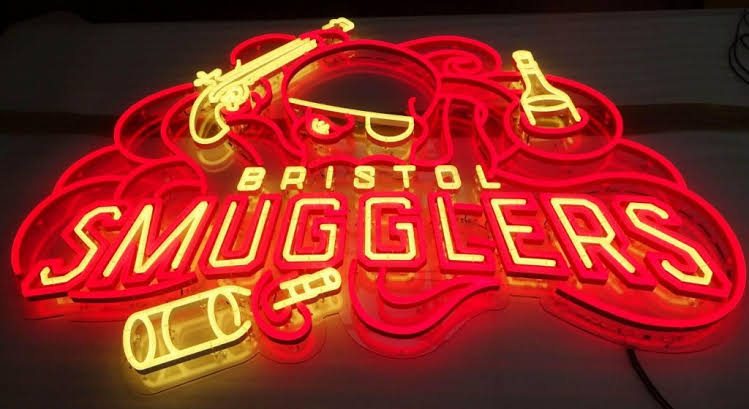
Red and orange
Red and orange neon effects.
Signage Products
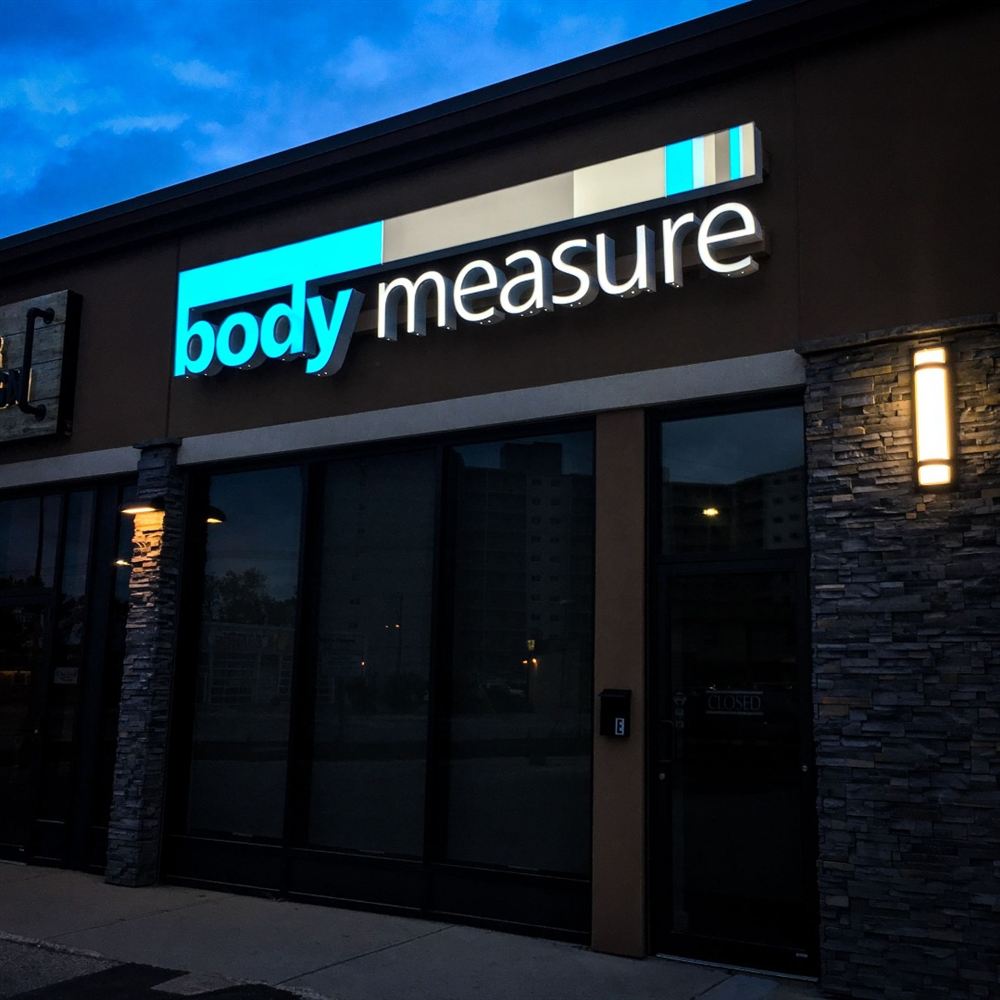 Business SignsLetters, pylons, lightboxes
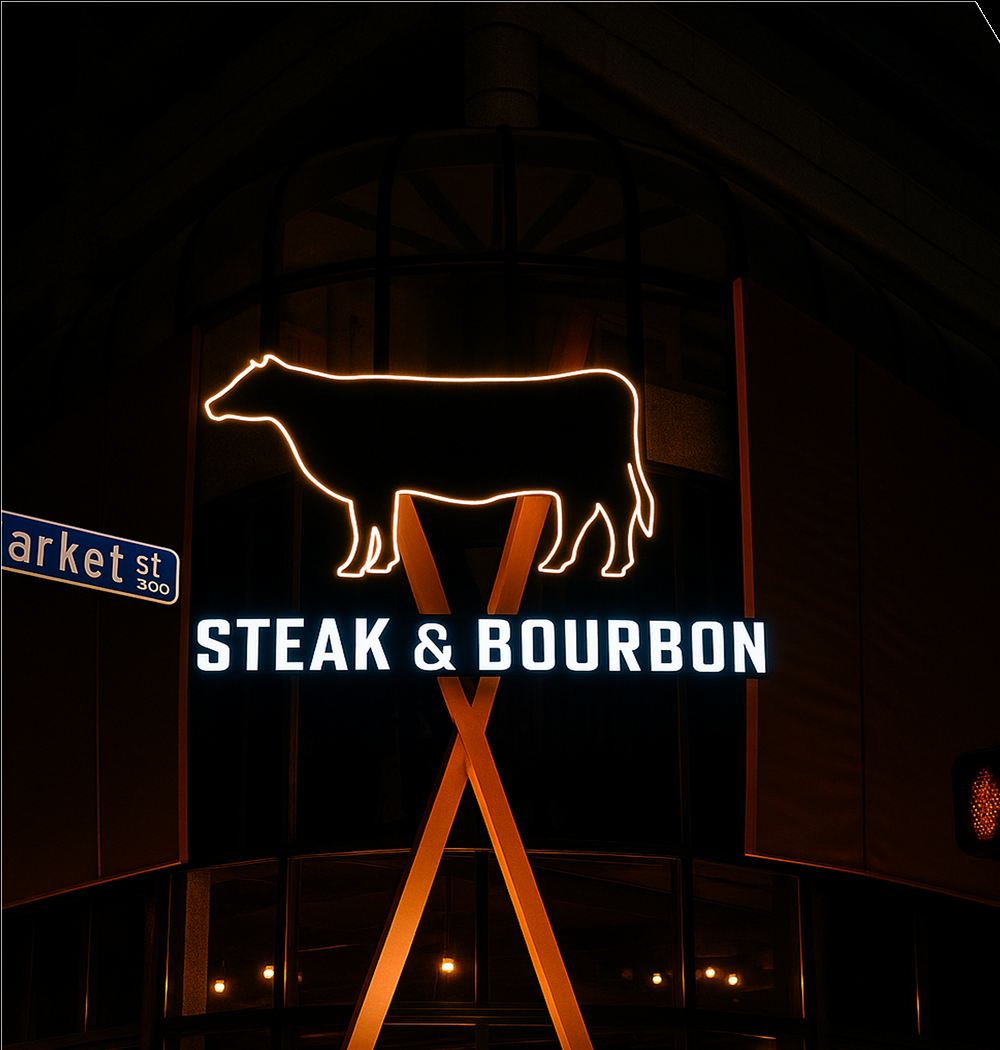 LED Neon SignsIndoor, outdoor & RGB
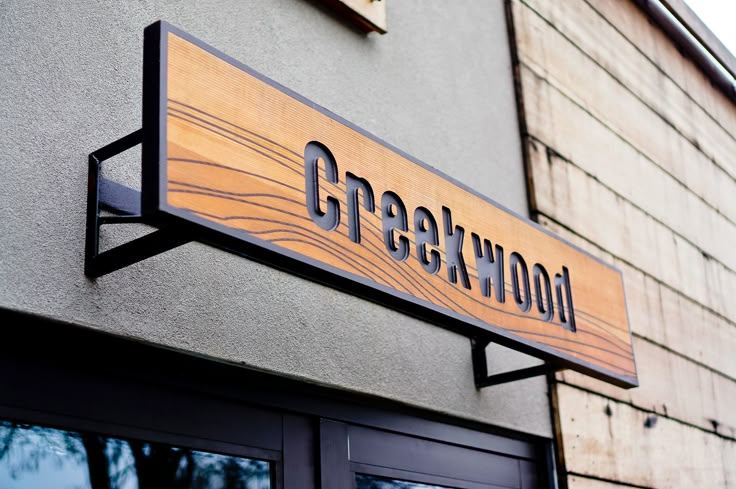 Wooden SignsCarved, layered & rustic
Send us a photo of your site and we'll recommend the right sign.
WhatsApp Us
Give your business a distinctive presence with traditional glass tube neon signs from Signage Pakistan. Made by shaping glass tubing into carefully designed lettering, symbols and decorative forms, these illuminated signs produce the characteristic glow that has made neon a recognizable part of commercial signage for decades.
Unlike LED neon alternatives, traditional neon lighting uses sealed glass tubes filled with an appropriate gas mixture to produce illumination when electrically energized. The result is a genuine glass neon display with its own lighting characteristics, handcrafted appearance and visual appeal.
Whether you need a business name, shop sign, restaurant logo, reception display or decorative installation, we help turn your design concept into a glass neon sign suited to your space and branding requirements.
Based in Multan, Pakistan, Signage Pakistan serves businesses looking for professionally planned signage, with fabrication and delivery arrangements discussed according to project requirements.
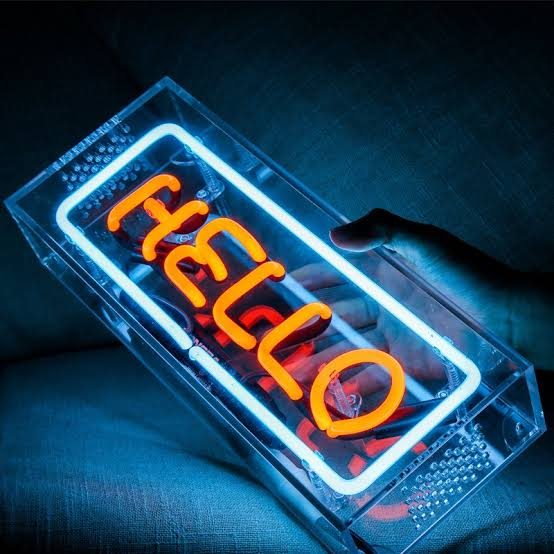
Traditional glass tube neon signs are illuminated displays made from specially formed glass tubes. A skilled glass bender heats and shapes the tubing into letters, logos, symbols or patterns before the tubes are fitted with electrodes, processed, filled with the appropriate gas and sealed.
When a suitable high-voltage power supply energizes the tube, an electrical discharge excites the gas inside, producing visible light. Different gas and phosphor combinations can create different colors and lighting effects.
These signs are particularly valued for their authentic neon appearance, continuous illuminated lines and the craftsmanship involved in producing each design.
For businesses that want the genuine character of traditional neon rather than an LED imitation, glass tube signage offers a distinctive lighting option.
Every glass neon design requires careful planning because the final appearance depends on the shape of the lettering, tube diameter, bending accuracy, color selection and mounting arrangement.
At Signage Pakistan, project planning can take into account:
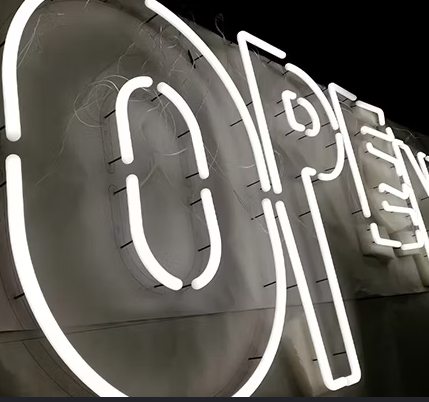
Font style, letter height, spacing and readability from the intended viewing distance.
Adapting suitable brand elements into shapes that can be formed using glass tubing.
Planning continuous lines, bends and connections to achieve the intended appearance.
Choosing suitable illumination colors and effects for the design.
Selecting an appropriate support structure and installation method.
Considering power supply placement, wiring, protection and access for maintenance.
The aim is to create signage that reflects your brand while considering practical installation and long-term operation.
Traditional neon fabrication involves several specialist processes. Understanding these stages helps businesses appreciate why glass neon signs require different skills and equipment from LED-based signage.
The process starts with selecting suitable glass tubing. The tube diameter and design requirements influence how the finished lettering and illuminated lines will appear.
The glass is heated using specialized burners until it becomes workable. A skilled glass bender carefully forms the tubing into the required letters, curves and shapes using the design as a reference.
Electrodes are fitted at the ends of the tube. The tubing is then processed to remove unwanted impurities and prepare it for filling.
The prepared tube is filled with the appropriate gas or gas mixture for the intended lighting effect. The ends are sealed to create an enclosed lighting unit.
The completed tubes are checked for illumination and electrical operation. They are then arranged on a suitable backing or mounting structure before the final installation.
Each stage requires attention to detail because the glass is delicate and the quality of bending, processing and assembly affects the finished result.
One of the distinctive features of traditional glass neon is the range of lighting effects that can be achieved through different tube treatments and gas combinations.
Depending on the glass type, phosphor coating and gas filling, traditional neon signs can produce different colors and appearances.
Common color choices include:
Red and orange neon effects.
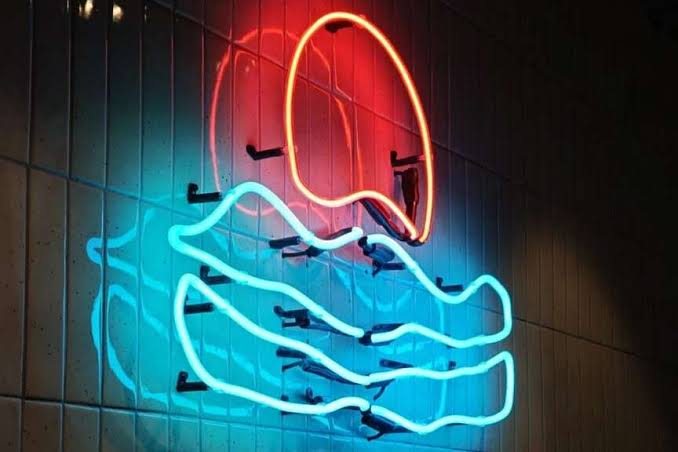
Blue and blue-white illumination.
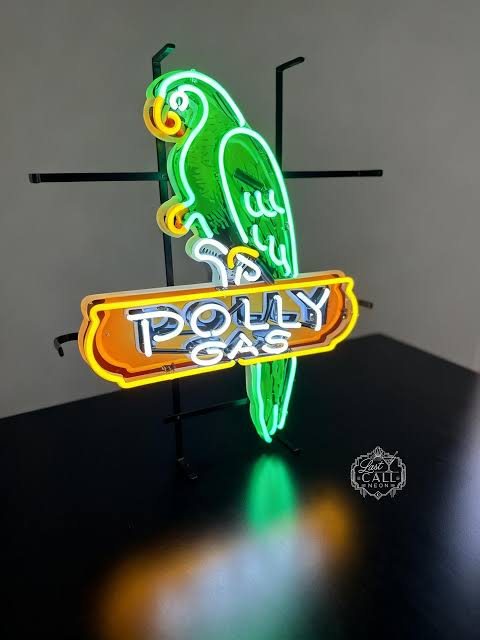
Green and turquoise tones.
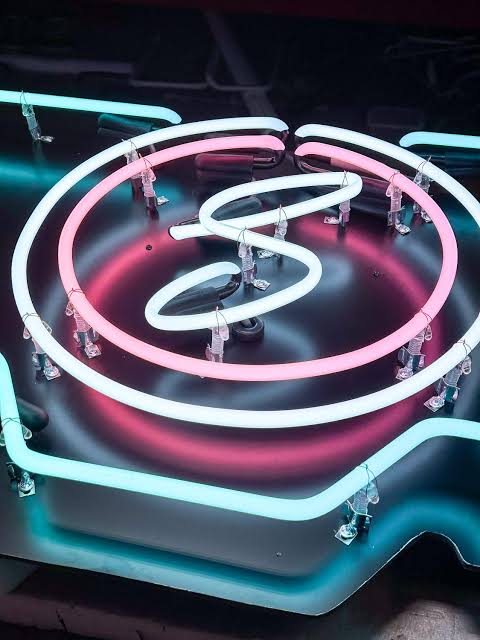
Pink and warm-toned displays.
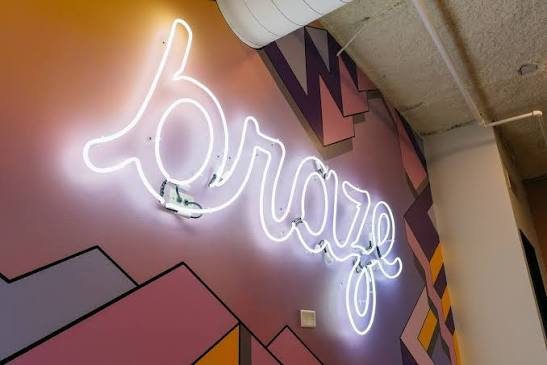
White and other phosphor-based colors.
Traditional glass tube neon works particularly well in spaces where the authentic appearance of illuminated glass is part of the design.
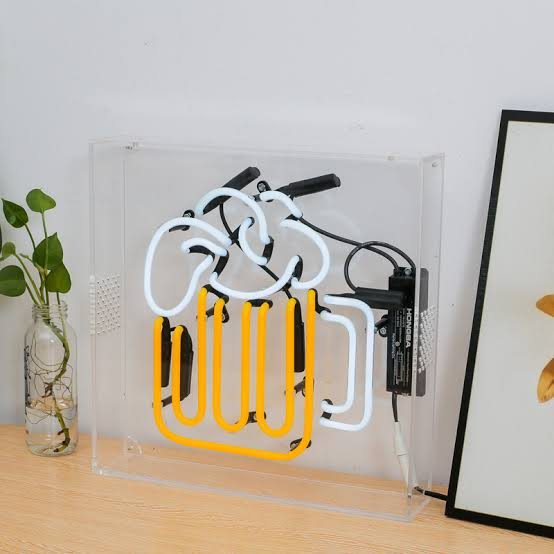
Make your shop name, logo or promotional message more noticeable with illuminated glass lettering. It can add character to storefronts and selected indoor displays.
Use traditional neon for restaurant names, decorative wall lettering, menu highlights or distinctive feature displays.
Glass neon can add a decorative lighting element to reception areas, lounges, entertainment spaces and selected architectural features.
Display a company name, logo or brand message in a visually distinctive format for reception walls and interior branding.
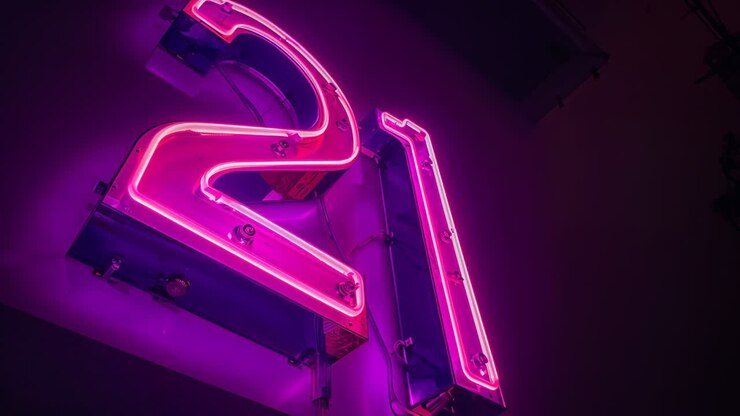
Traditional neon can also be used for suitable event backdrops, display walls, themed interiors and decorative installations.
The best application depends on the design, location, visibility requirements and protection from environmental conditions.
Both options can create illuminated lettering and decorative displays, but their construction, lighting technology and practical requirements are different.
| Traditional glass neon | LED neon | |
|---|---|---|
| Light source | Electrical gas discharge inside sealed glass tubes. | LED strips housed inside flexible diffusers. |
| Construction | Glass tubing heated and hand-bent, fitted with electrodes, gas-filled and sealed. | Flexible LED neon shaped to the design and fixed to a backing. |
| Power supply | A suitable high-voltage power supply. | A compatible low-voltage power supply. |
| Appearance | Authentic glass neon glow with continuous illuminated lines. | A similar illuminated appearance. |
| Colors | Produced by the gas, glass type and phosphor coating. | Selected through the LED components. |
| Durability | Glass tubes can break if struck, dropped or handled incorrectly. | Generally more flexible and resistant to impact. |
The intended installation environment should be considered before fabrication because indoor and outdoor signage face different conditions.
Indoor installations are suitable for reception areas, restaurants, cafés, retail interiors and decorative wall displays. Their design can focus on visual presentation, mounting arrangements, safe electrical connections and convenient access for maintenance.
Outdoor installations require additional planning. Exposure to rain, dust, temperature changes and physical contact can affect the glass, electrical connections and supporting structure.
For outdoor applications, the design should consider:
Not every glass neon design is suitable for direct outdoor exposure. The complete assembly must be assessed for the actual installation environment before it is specified.
The cost of traditional glass tube neon signage depends on the design, materials, fabrication requirements and installation conditions. Since every project can involve different lettering and tube arrangements, pricing is generally assessed according to the individual specifications.
The main factors include:
For an accurate quotation, share your design, approximate dimensions, preferred colors and installation location with our team.
Traditional glass neon signs can provide long-lasting illumination when properly fabricated, installed and maintained. However, their glass construction requires careful handling.
Here are some practical maintenance recommendations:
A damaged glass tube should be inspected and repaired or replaced by a specialist rather than handled as an ordinary lighting component.
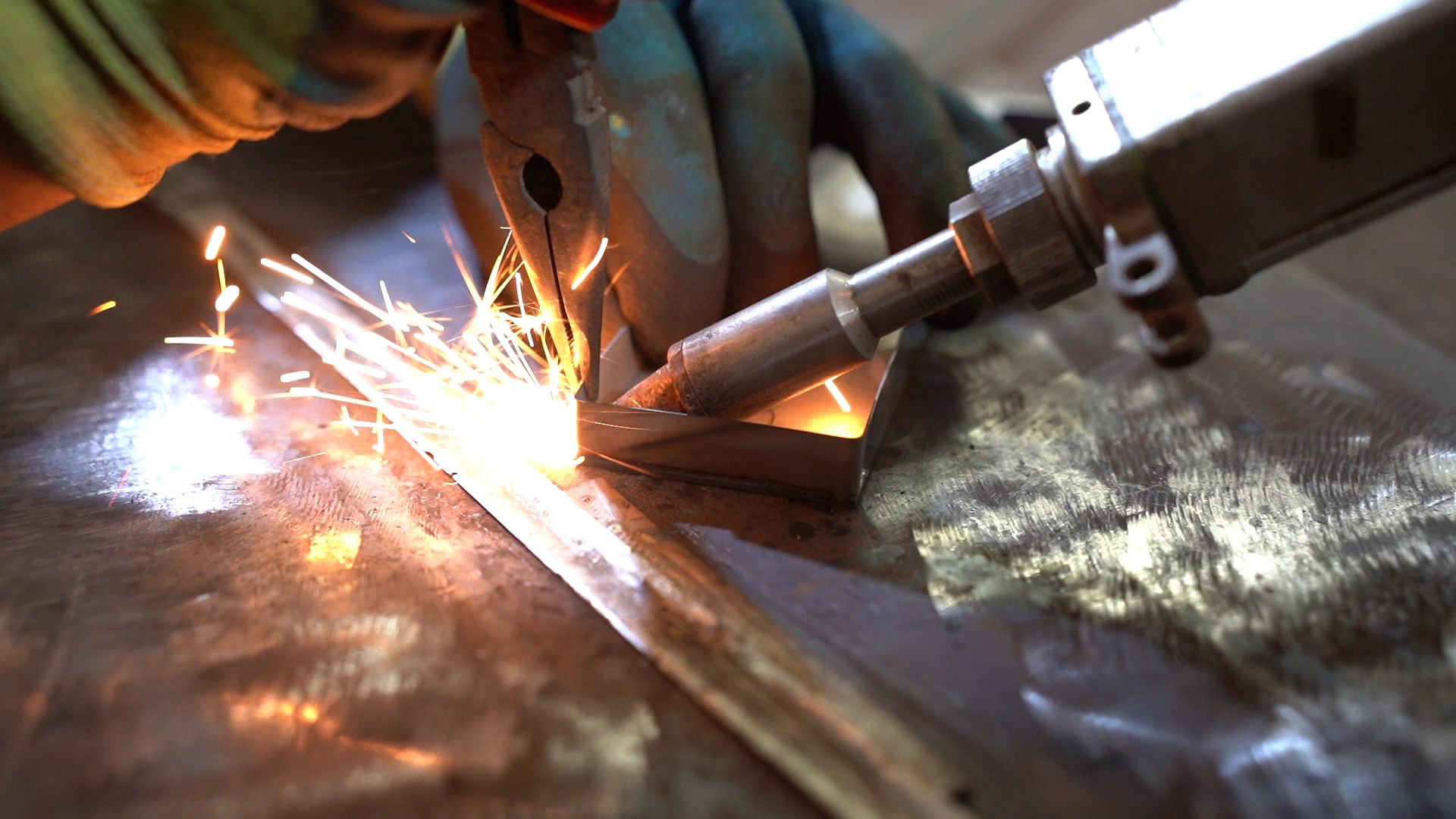
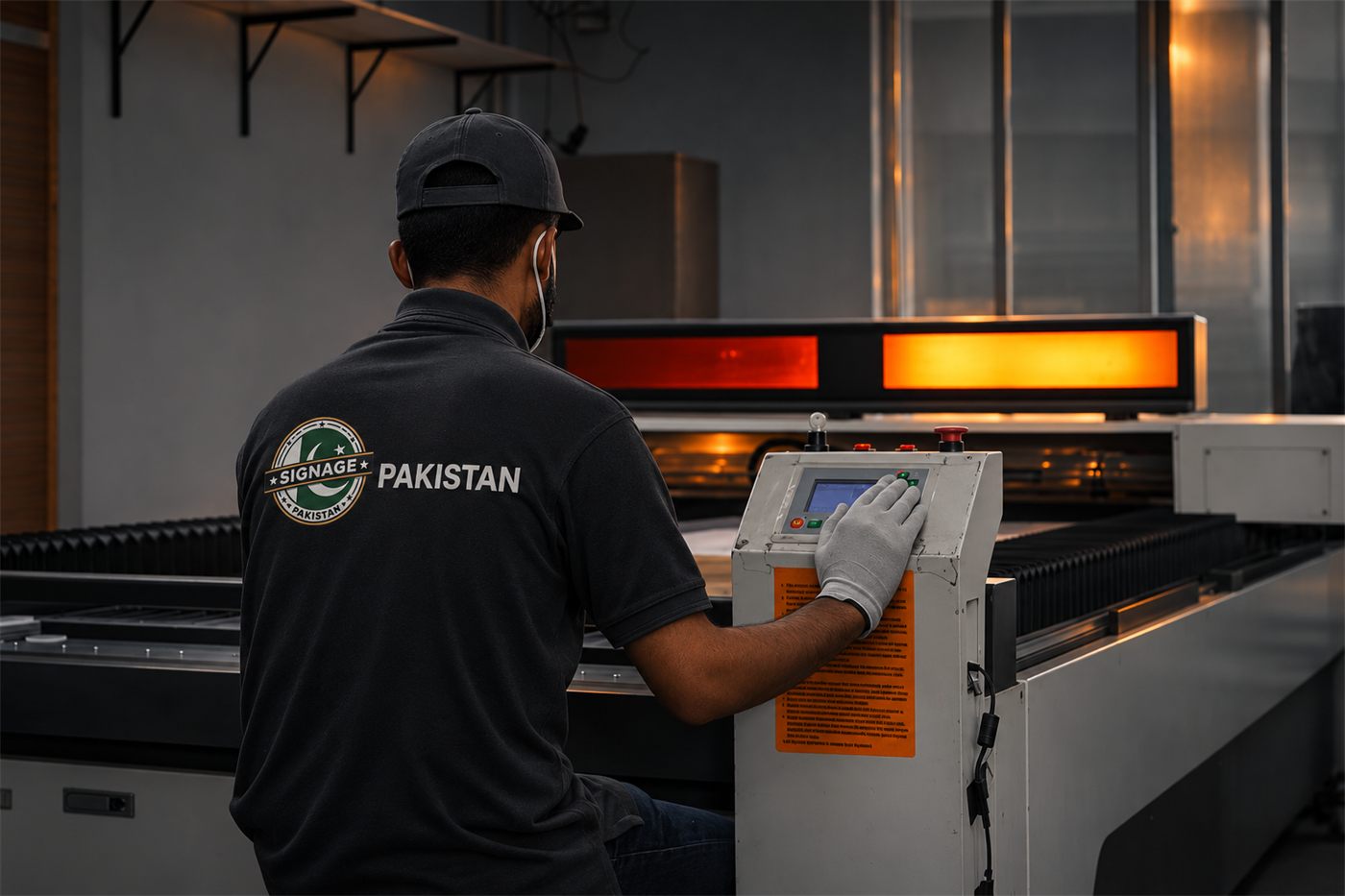
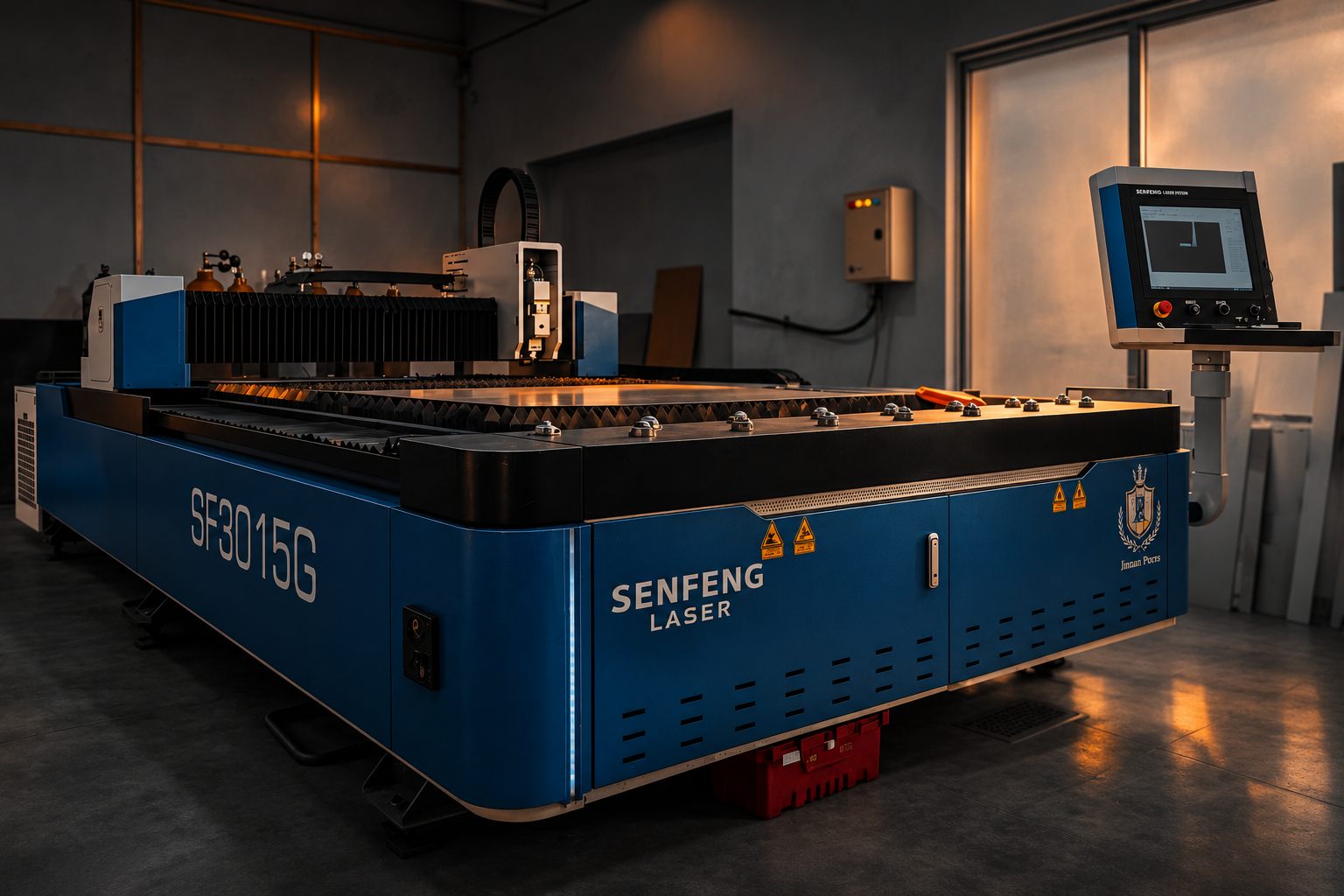
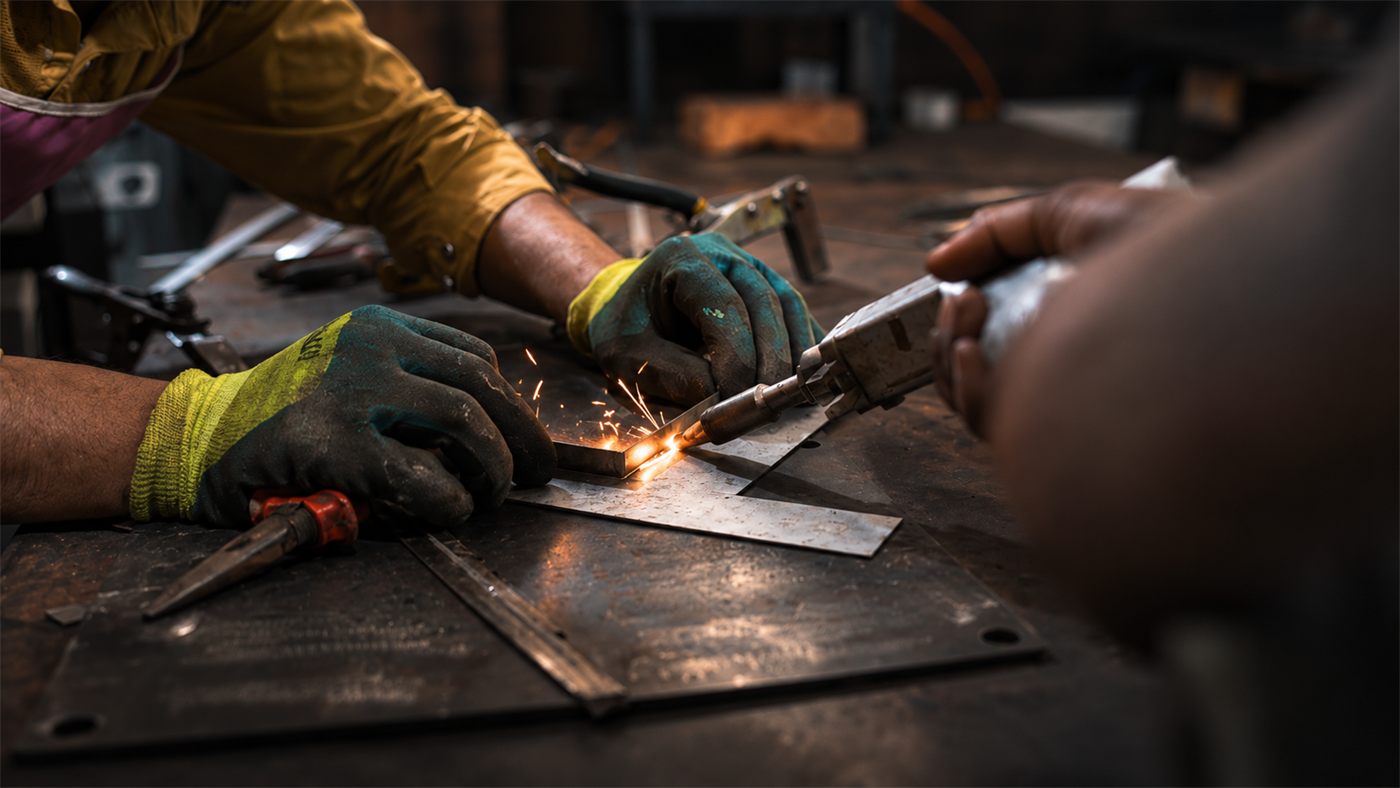
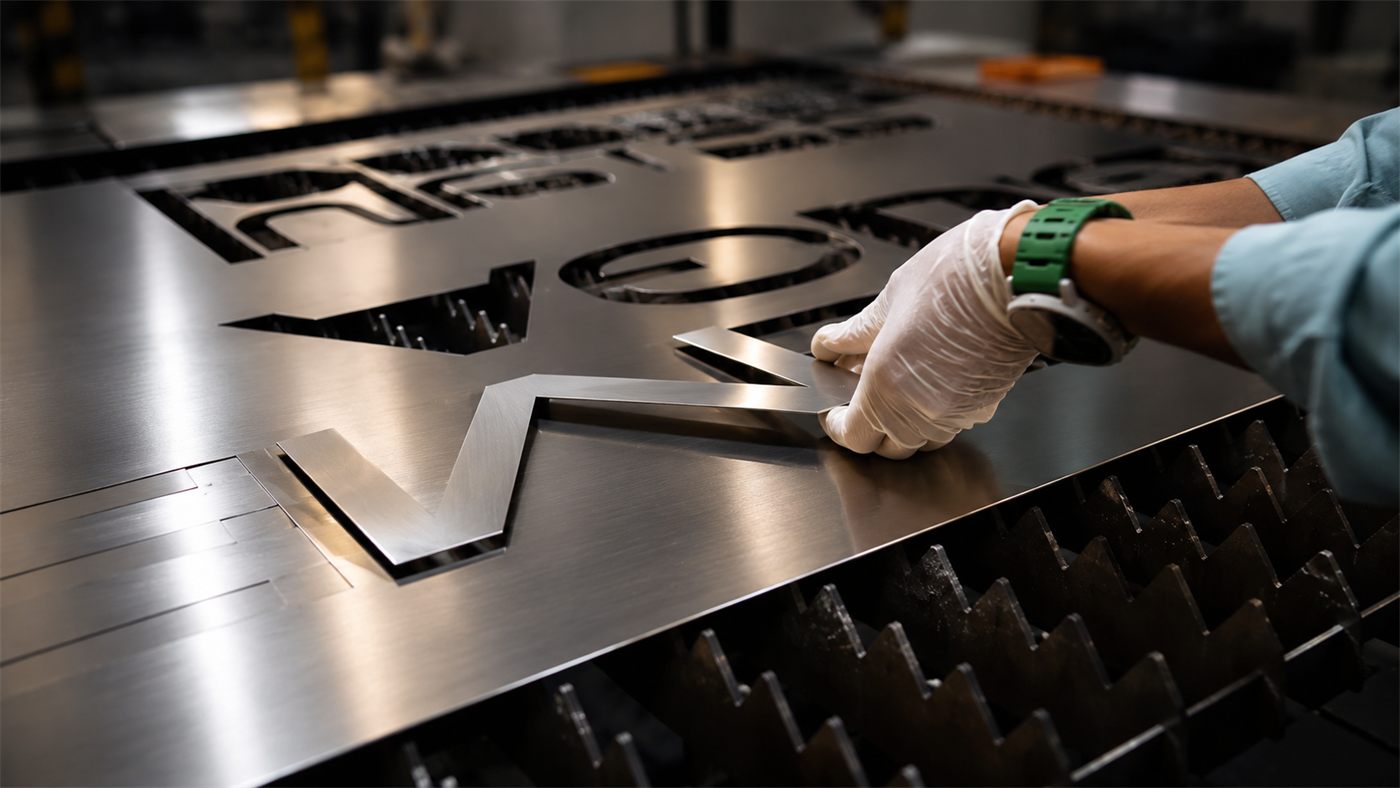
Real photos from our production floor: cut, fabricated, wired and tested in-house.
Still have a question? Our team replies on WhatsApp within working hours.
A traditional glass tube neon sign is an illuminated display made from specially shaped glass tubing filled with a suitable gas or gas mixture. When electrically energized, the gas produces light, creating the characteristic appearance of genuine neon signage.
Traditional neon signs use sealed glass tubes and electrical gas discharge to produce light. LED neon signs use LED strips housed inside flexible diffusers to create a similar illuminated appearance. Traditional neon offers authentic glass neon lighting, while LED neon is generally more flexible and resistant to impact.
Yes. Different gas combinations, glass types and phosphor coatings can produce a variety of colors, including red, blue, green, pink and white. The available options depend on the selected tube specifications.
Yes, suitable designs can be installed outdoors, provided the complete assembly is designed for the installation environment. Weather protection, electrical insulation, secure mounting and protection against moisture and dust must be considered.
Yes. They can be used for restaurant names, decorative lettering, logos, feature walls and selected storefront applications. Their distinctive illumination makes them suitable for businesses looking for an authentic neon appearance.
Their service life depends on the quality of the glass tubing, electrodes, gas processing, power supply, operating conditions and maintenance. Proper installation and professional servicing can help extend their usable life. There is no single lifespan that applies to every sign.
Yes. Their glass tubes can break if struck, dropped or handled incorrectly. Proper mounting, suitable positioning and careful maintenance are important, especially in busy commercial environments.
The price depends on the sign's dimensions, design complexity, colors, tube specifications, backing, electrical components and installation requirements. Contact Signage Pakistan with your design and dimensions to request a project-specific quotation.
Yes, suitable logos can be adapted into glass tube designs. However, the artwork may need adjustments to accommodate glass bending, tube connections and the physical limitations of the material.
Signage Pakistan is based in Multan, Punjab. Delivery arrangements for other cities in Pakistan can be discussed according to the project size, packaging requirements and installation needs.
Bring your brand to life with handcrafted traditional glass tube neon signs designed around your vision.